UX Engineer
Polymer · D3.js · JS · CSS
Predix Design System
Industrial IoT
Data visualization
·
User research, interaction design, design system, front-end development (Polymer, D3.js)
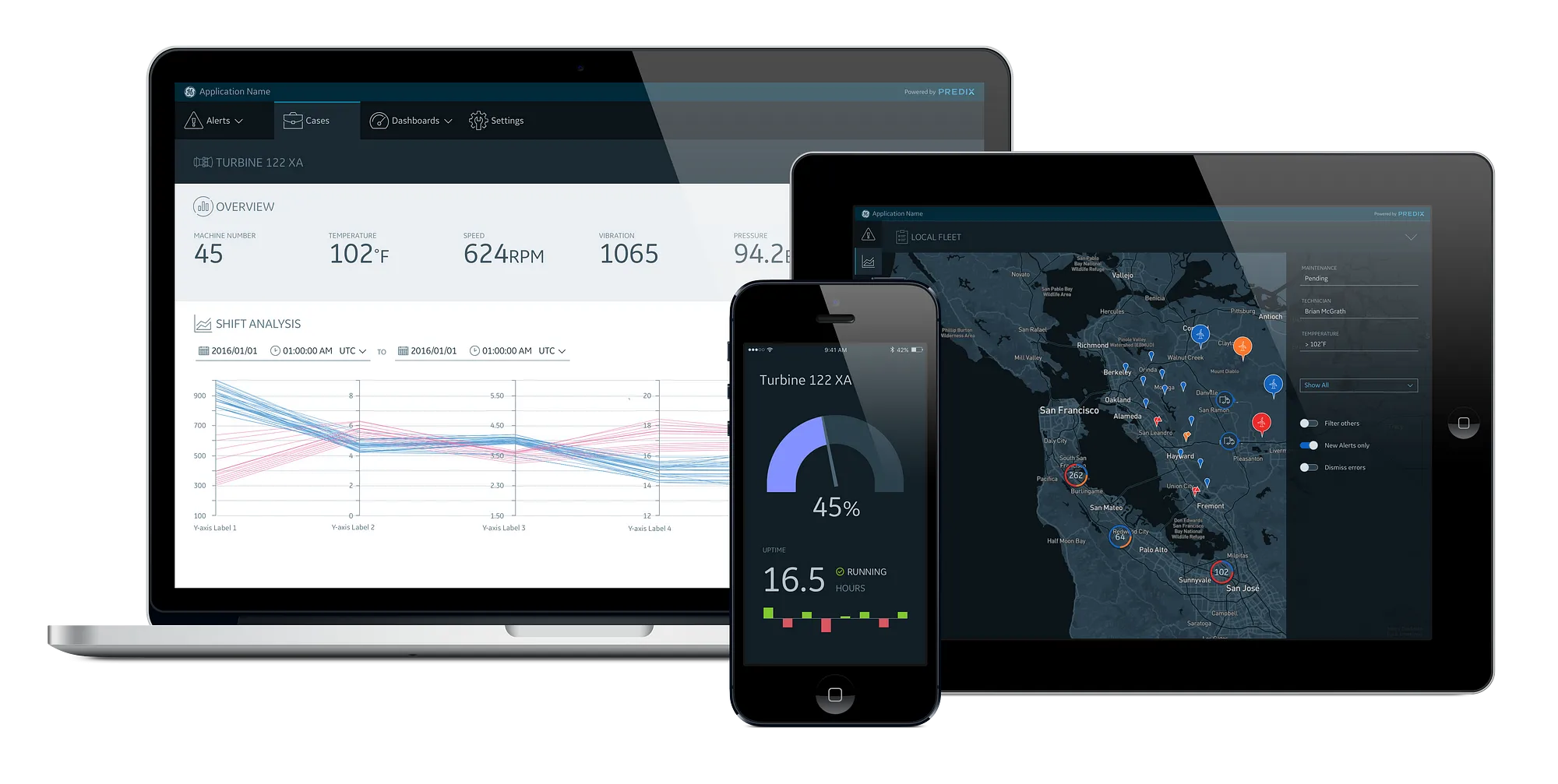
For the first time, engineers and planners at one of GE’s largest jet engine service facilities had a single real-time view of fleet health, replacing disconnected spreadsheets with a predictive platform that surfaces risks before they become groundings.
With a fleet of ~36,000 jet engines, GE Aviation’s MRO operations were bottlenecked by reactive planning. Engineers at the Wales Aviation Shop relied on disconnected spreadsheets to forecast component replacements, making high-stakes decisions with incomplete data.
Engine pulls happened without advance warning, forcing last-minute resource scrambles.
Component shortages weren't caught early enough, extending downtime unnecessarily.
Planners lacked a single interface to see fleet health and prioritize shop work.
I led design and front-end development across the full product lifecycle, embedded in a cross-functional R&D team at GE’s Research Center alongside a PM and three engineers.
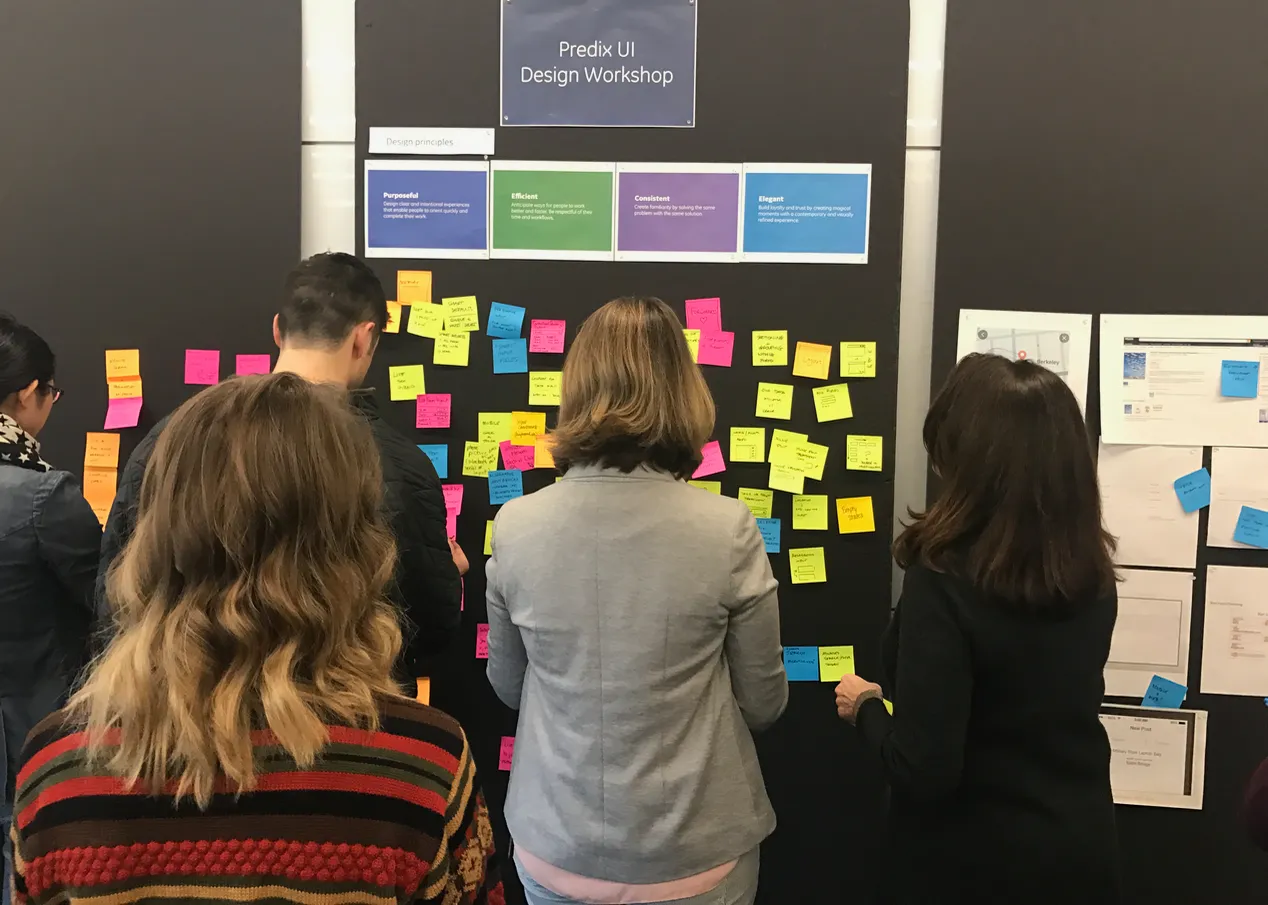
Our users were MRO engineers at GE’s Aviation Shop in Wales. I traveled on-site twice to conduct research, observe workflows, and validate prototypes with the people actually doing the work.
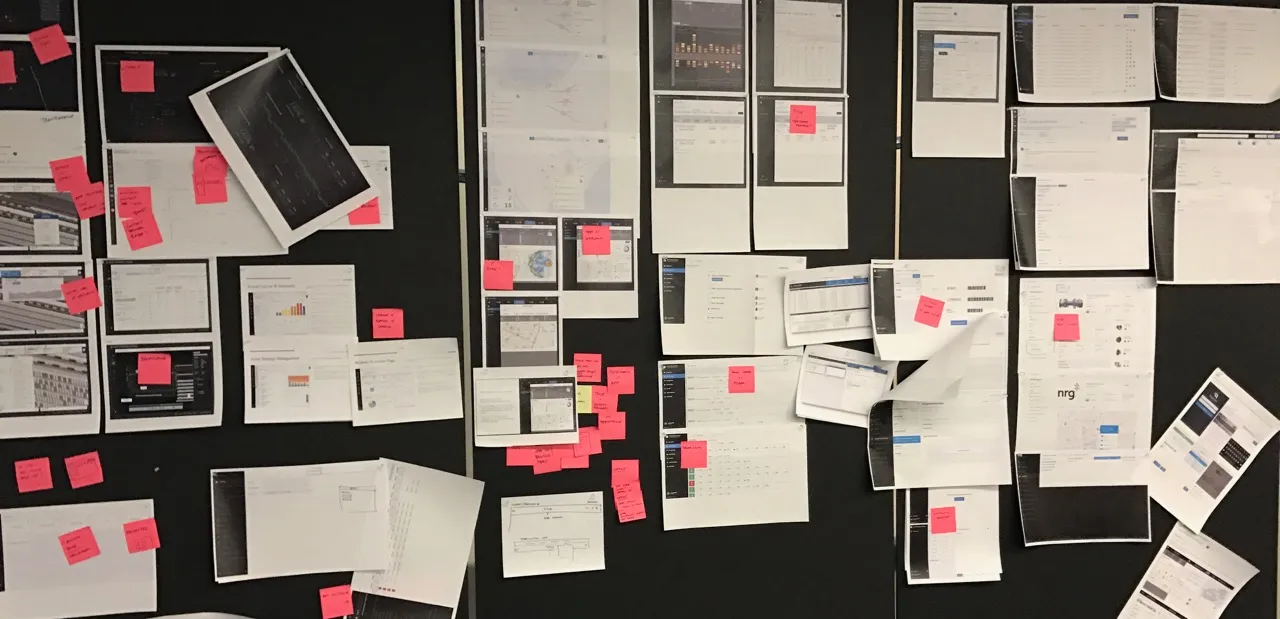
Back at the R&D lab I ran design sprints using the Design Thinking process (Empathize → Define → Ideate → Prototype → Test), keeping tight feedback loops with engineers and stakeholders at each cycle.
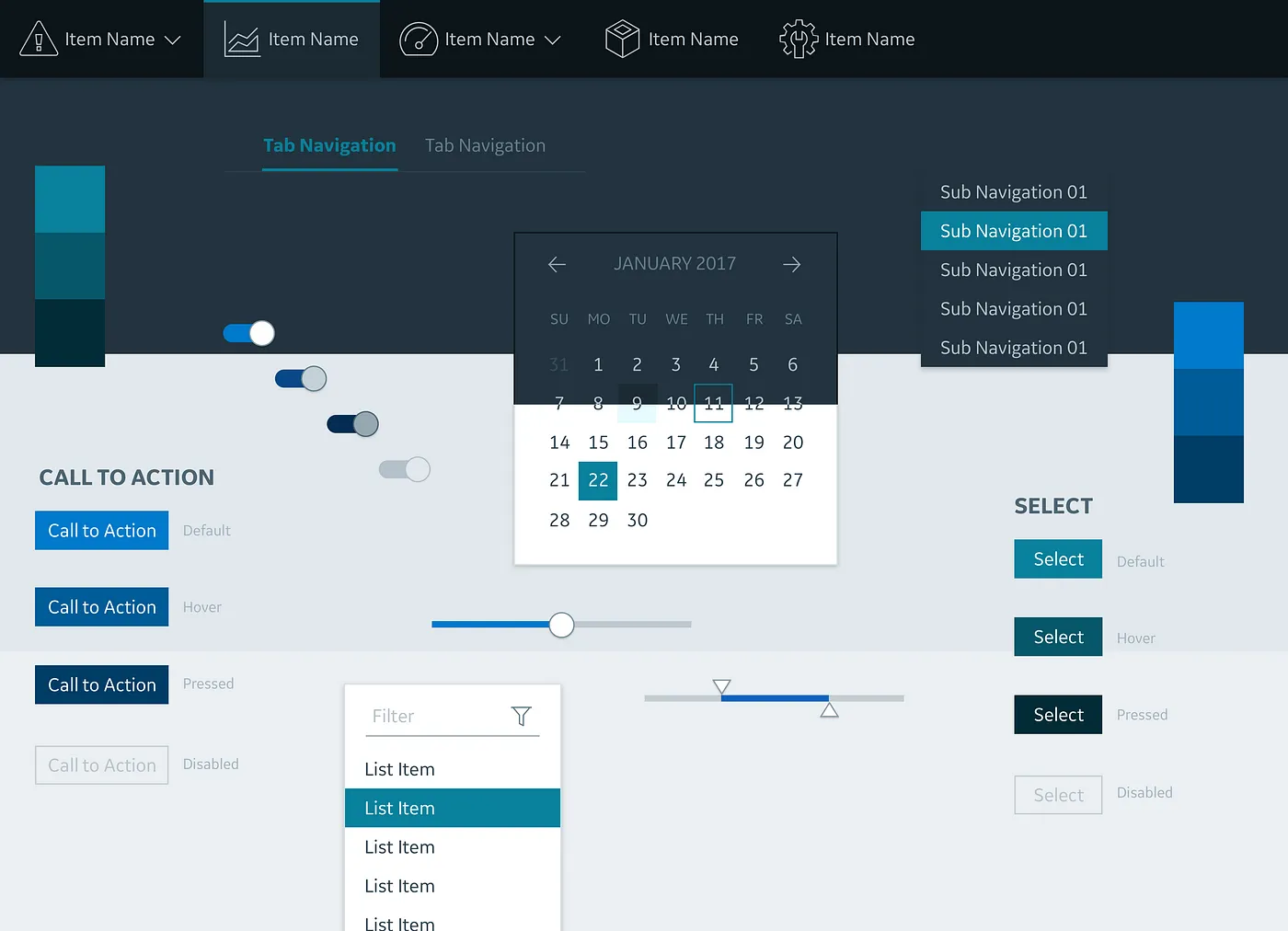
The product was built on GE Digital’s Predix Platform, an industrial IoT system used across GE’s energy, aviation, and manufacturing businesses. I worked within the Predix Design System while also pushing its limits, building new components, improving data visualization modules, and defining interaction patterns the existing system didn’t cover.
The Predix UI is distributed as part of the Predix platform and can be used to build user interfaces for industrial Internet web applications.
Using Atomic Design methodology, I contributed modular components that could be composed into scalable interfaces, optimized for both standard screens and low-light industrial environments.
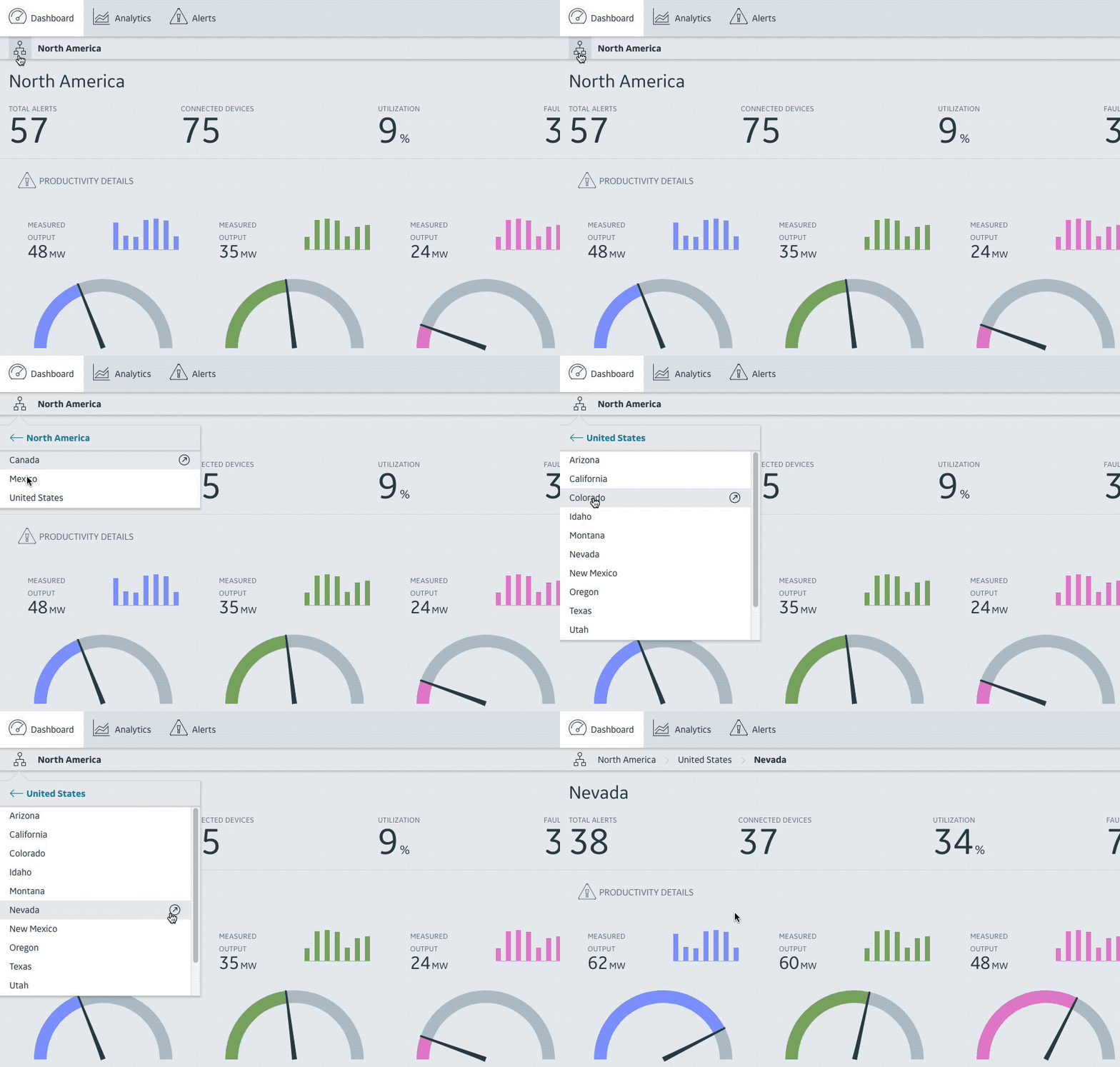
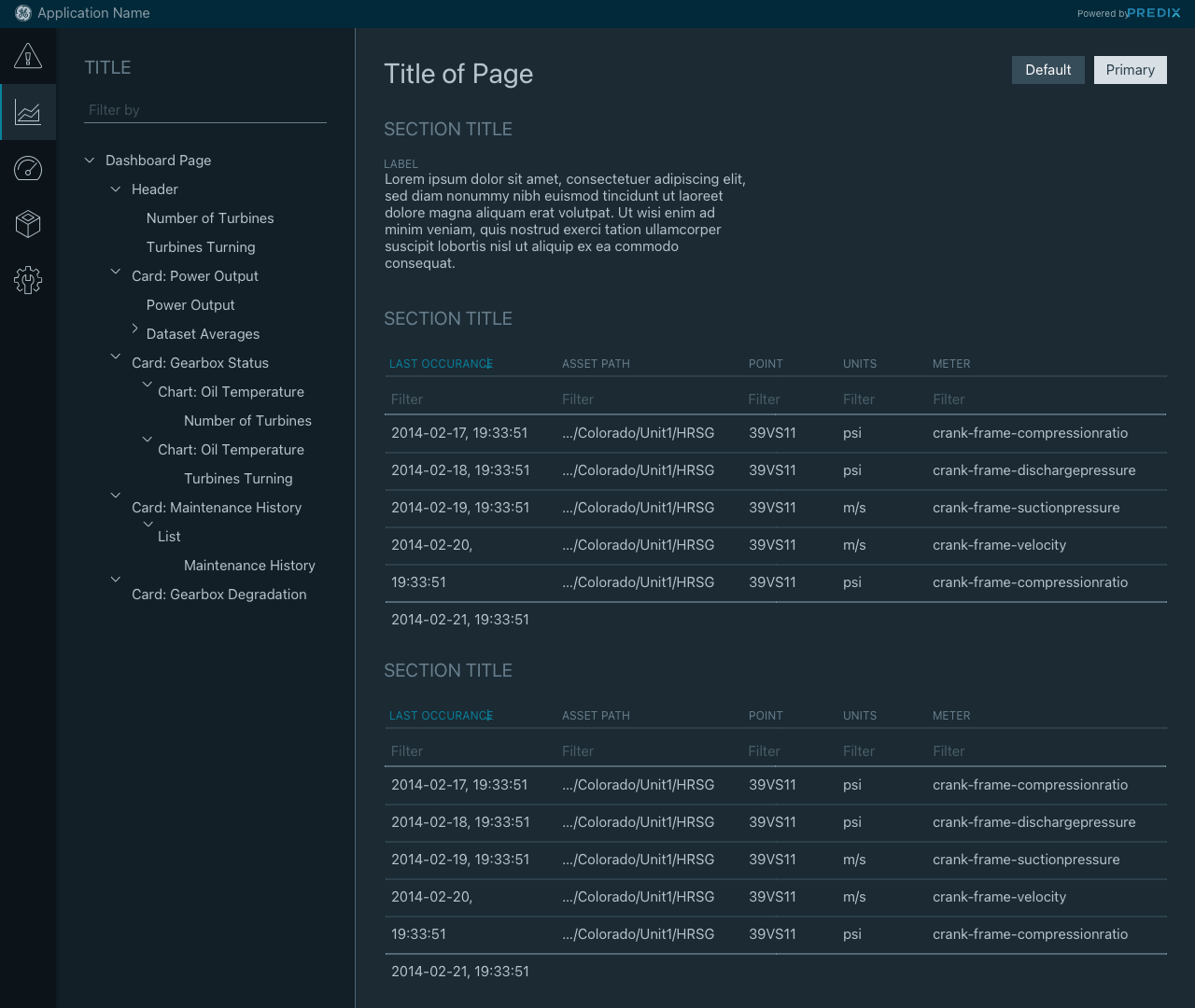
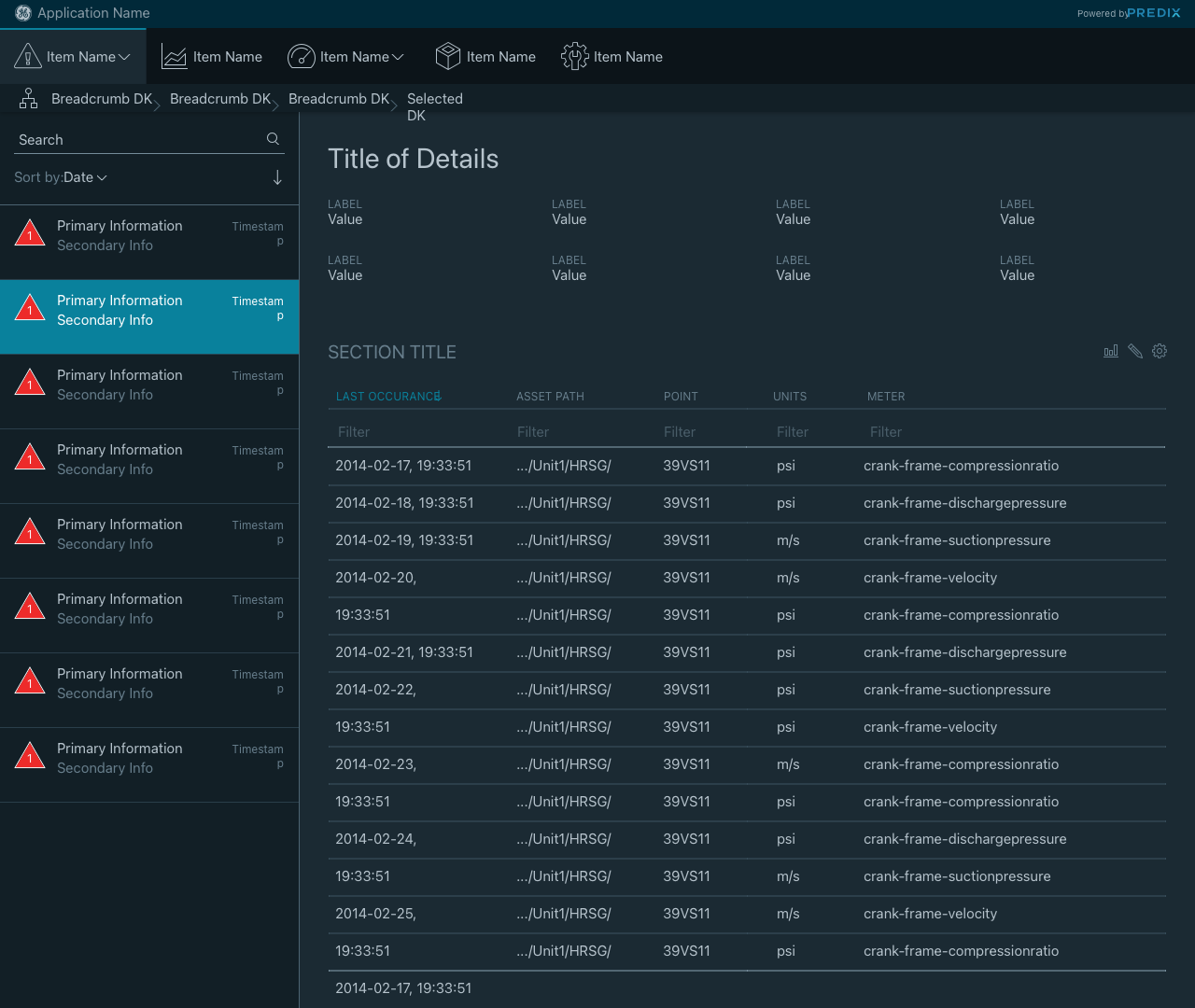
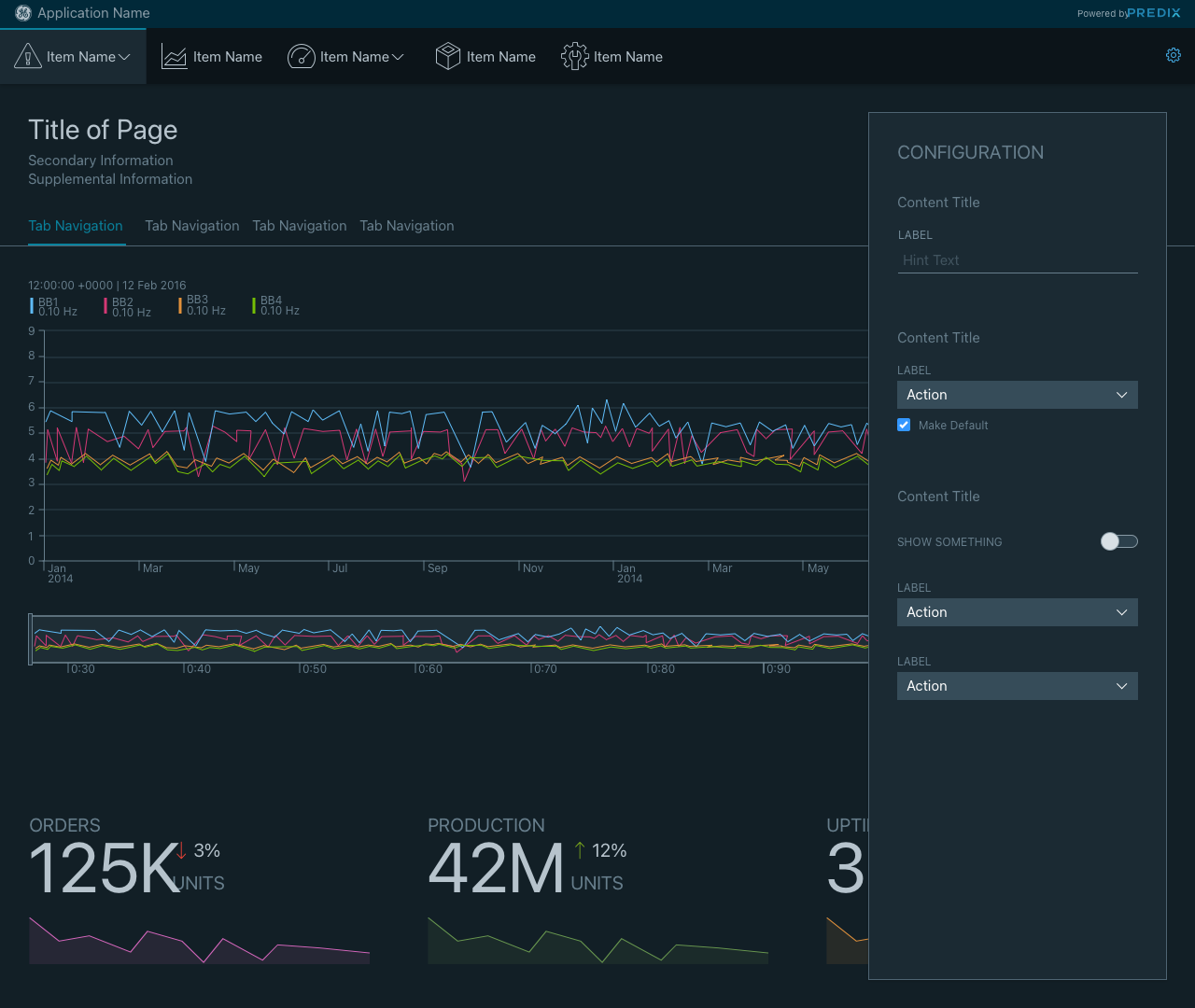
As part of the development process I also implemented the code for these interactions. The examples below show the navigation and layout system, how the design system was applied, and how interactions were realized in production to ensure a consistent experience across environments.
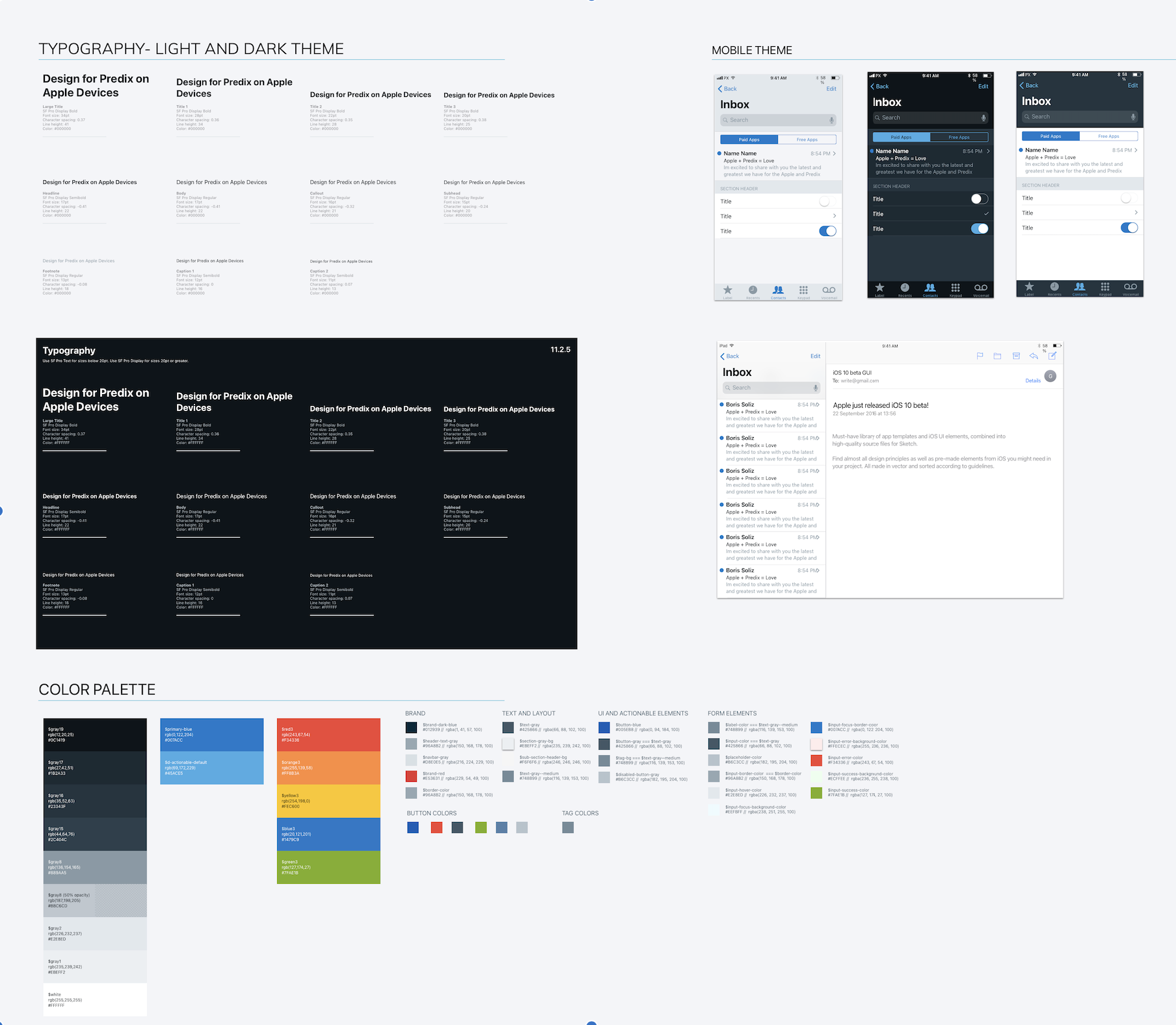
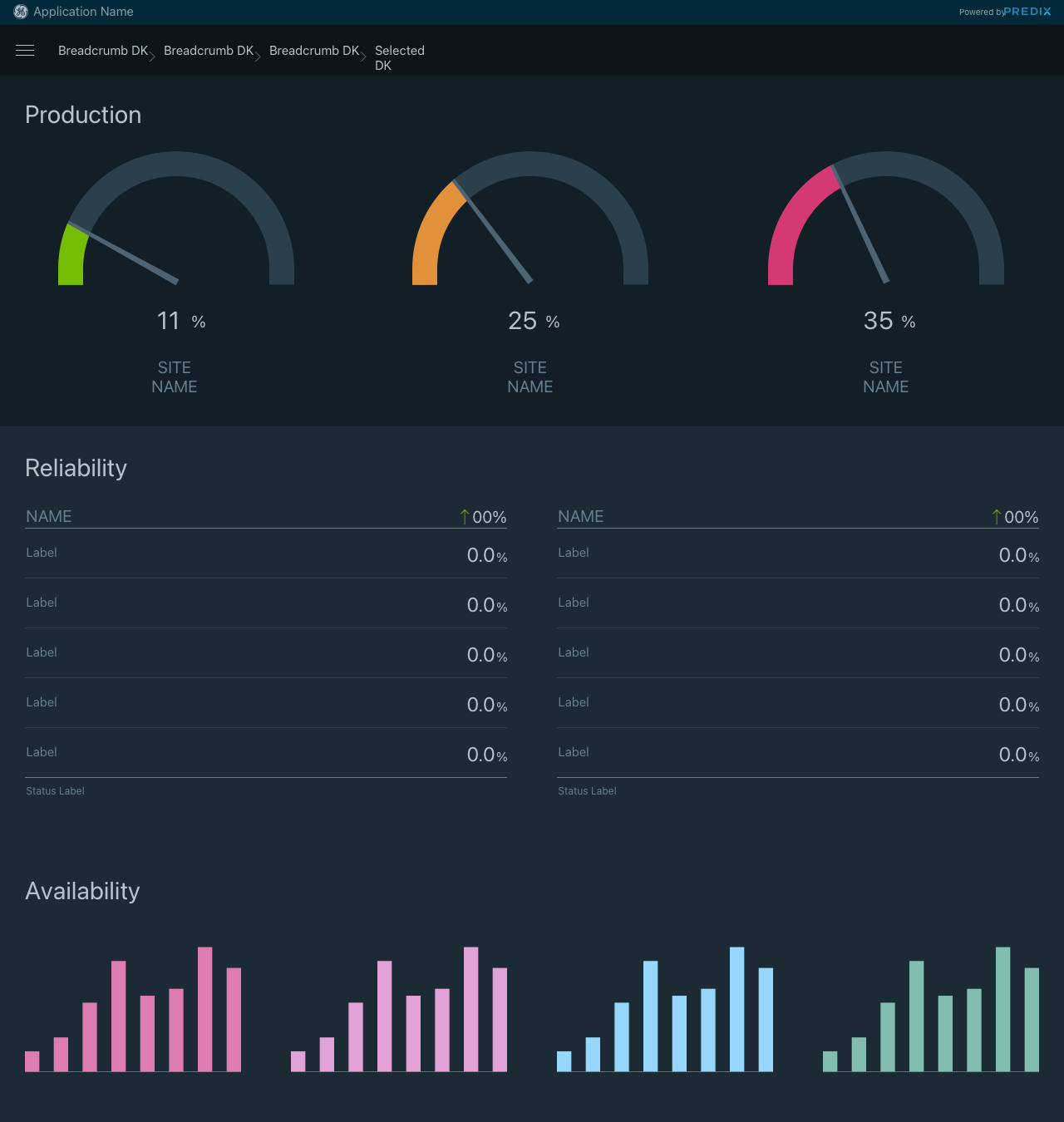
These layouts were built using the design system’s components, showing how modular building blocks compose into scalable, complex interfaces. I also contributed to the design language itself: color palettes, typography standards, and dark and high-contrast themes optimized for usability across industrial environments.
Standard charting libraries weren’t built for the complexity of fleet maintenance data. I designed and built a suite of visualization components in D3.js, tailored to fleet health monitoring, component lifecycle tracking, and maintenance forecasting. Each component was built to surface the right signal at the right moment for the people making decisions.
The Digital MRO platform gave GE Aviation’s maintenance teams a unified, real-time view of fleet health for the first time, replacing manual spreadsheet processes with predictive, data-driven planning. Engineers could anticipate engine removals before they became emergencies, and planners could see component demand across the full fleet before shortages occurred.